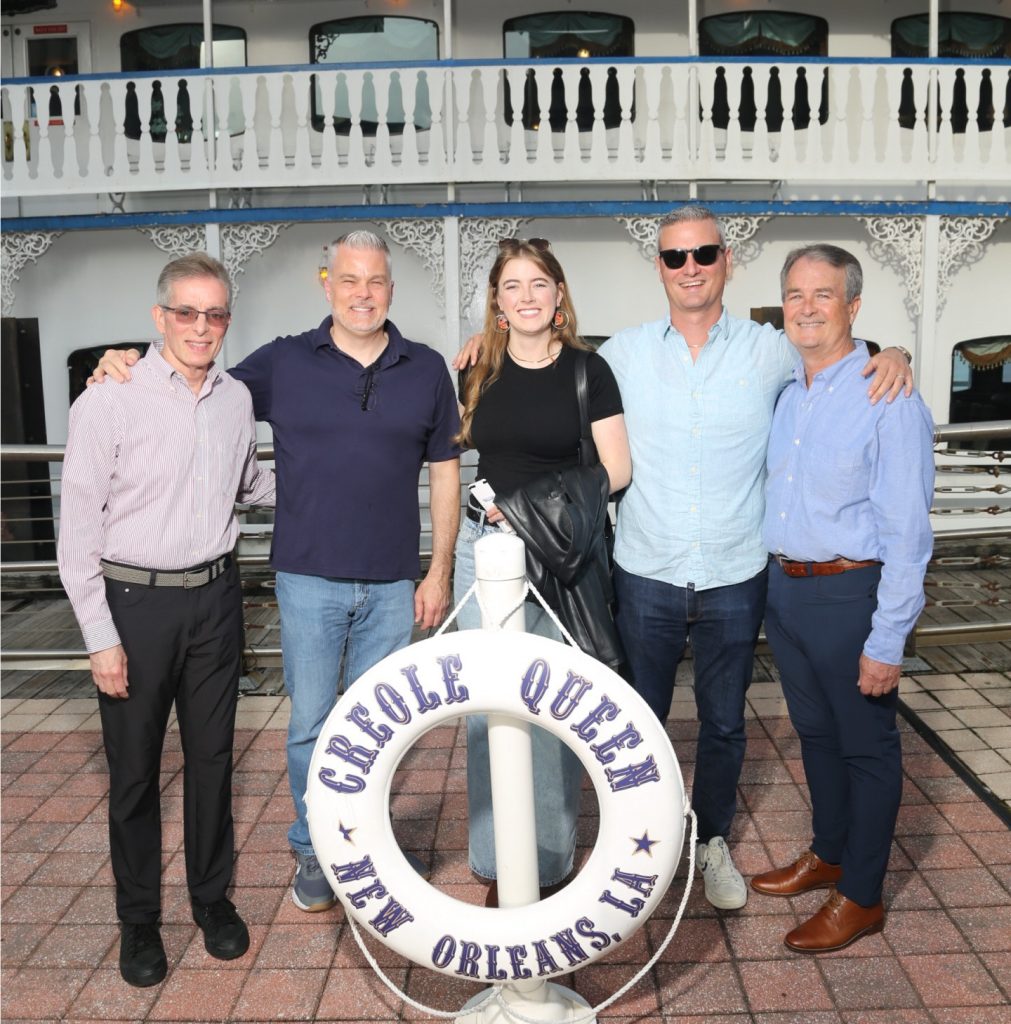
The US Customs and Border Protection (CBP) 2025 Trade and Cargo Security Summit (TCSS) took place in New Orleans from May 6 – 8, 2025, with approximately 1,200 people in attendance. Here are our key takeaways from the event. For more detailed discussion, watch the recording of our webinar held on May 20, 2025.
America First Trade Policy & CBP Enforcement
Throughout the TCSS there was a clear emphasis on the “America First Trade Policy” and an indication of changes in CBP’s approach to enforcement resulting from this new policy. It was emphasized by CBP leadership at the conference that the purpose of the TCSS was not to debate policy – a likely demonstration of a forthcoming stricter, more top-down strategy to policymaking and enforcement with less opportunity for input from industry to inform the process.
A clear example of this is with respect to enforcement of the Uyghur Forced Labor Prevention Action (UFLPA) and the expectation from CBP of supply chain visibility and accountability. CBP asserted that companies seeking to evade UFLPA enforcement have employed schemes to make their supply chains more complex, and thus more difficult for U.S. importers to perform required due diligence. At the TCSS, CBP took a hard line on this issue by stating that the trade community simply must have adequate visibility into their supply chains to ensure that no sanctioned materials are used, regardless of the level of effort or complexity in obtaining traceability information.
In the past, the trade community provided feedback to CBP on if requirements being set were feasible for companies to meet and CBP took a more collaborative approach to identifying solutions. However, there is an indication that CBP will be more stringent with requirements moving forward and a clear expectation that companies have greater visibility into their supply chains and able to trace the sources of every component of their imports.
Impacts of Recent Executive Orders
There have been several impacts of the Executive Orders signed so far this year adding various new tariffs and eliminating the de minimis exemption for goods from China and Hong Kong. Notable impacts on CBP operations for the trade community to note are:
- Ruling requests with respect to the “substantial transformation” requirement have increased substantially.
- CBP approval for applications for Bonded Warehouses can take up to 6 months. However, Bonded Warehouses are approved by CBP at the local level, not at headquarters, so the timeline may vary depending on the location.
- See CBP’s FAQ page on the International Emergency Economic Powers ACT (IEEPA) for specific questions regarding tariff regimes in place and what is in / out of scope for bonded facilities.
The CTPAT Program
There were multiple sessions focused on CBP’s Customs-Trade Partnership Against Terrorism (CTPAT) Program during the TCSS. Forward-looking updates included:
- All CTPAT users must sign in to the Portal every 45 days. Those that don’t will be removed from the Portal.
- Expect a fresh round of validation activity in the Laredo/South Texas corridors now that the new Laredo CTPAT Field Office is getting up to speed.
CBP also shared several best practices and common pitfalls that CTPAT Members should keep in mind:
- The most common mistake Members make is complacency. Members should make sure they are completing the annual requirements, including Security Profile update, and make sure that they are actually following the procedures that are identified in the Profile.
- CTPAT should be integrated into day-to-day operations and employees should be aware of the program.
- Members should be having active conversations with business partners. It is the CTPAT Member’s responsibility to ensure that their business partners are complaint with the necessary CTPAT requirements; having proactive and ongoing communication with business partners help significantly in achieving this.