The Automotive Industry Action Group (AIAG) hosted its annual North American Customs and Trade Town Hall in Detroit on November 6, 2025, bringing together industry leaders to discuss evolving trade, logistics, and compliance challenges.
CT Strategies was proud to contribute to the event with a session titled “Navigating Cross-Border Logistics Through the Trusted Trader Lens.” This was a discussion on the Customs Trade Partnership Against Terrorism (CTPAT) program and how cross-border logistics strategies intersect with supply chain security programs.
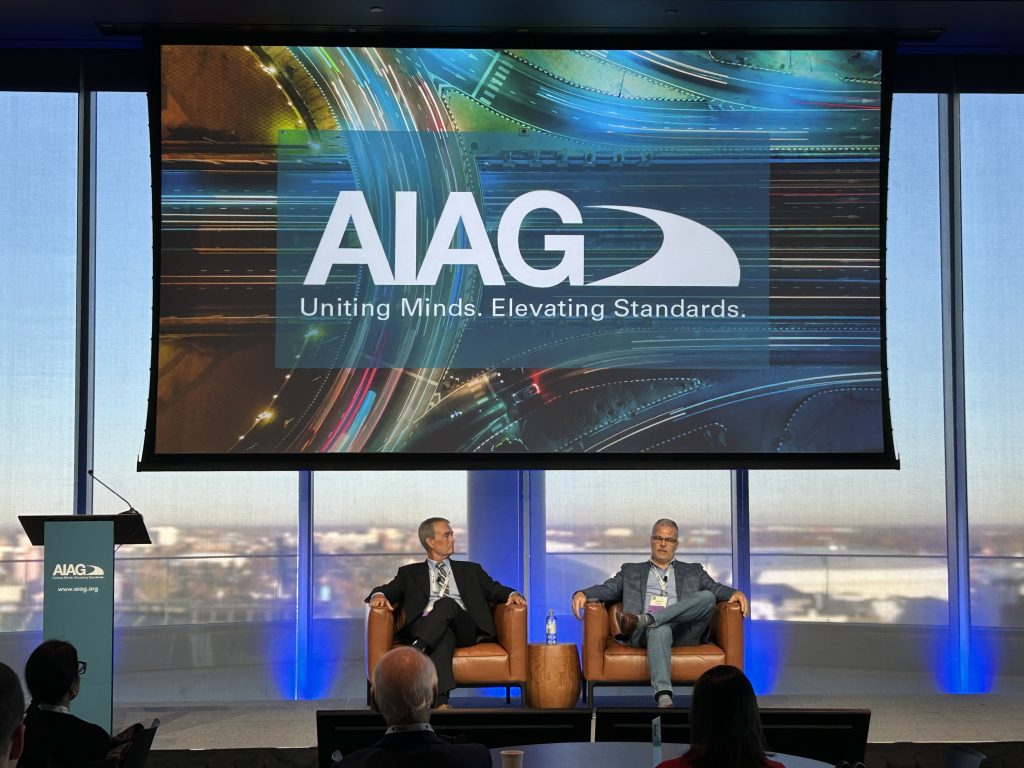

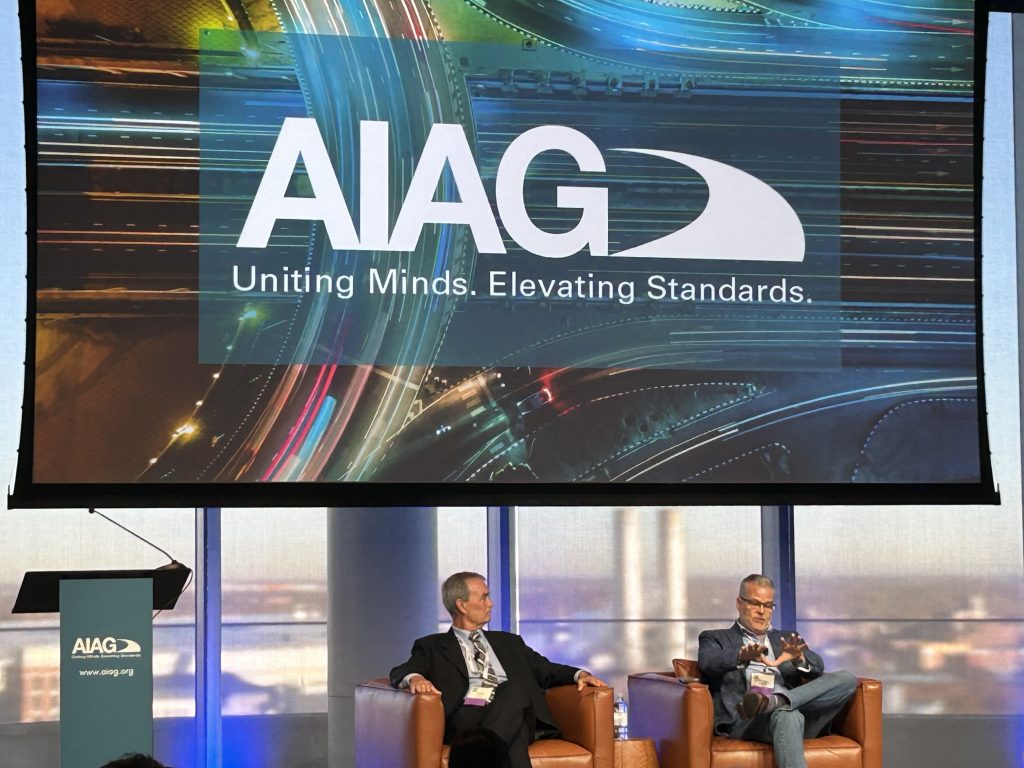
The session was led by Shawn Beddows and Bradd Skinner, two of our in-house CTPAT experts. Both bring deep experience from their previous roles at U.S. Customs and Border Protection (CBP) – where they worked within and led the CTPAT Program – and now apply that expertise through CT Strategies’ CTPAT Navigator service, assisting Partners in managing and enhancing their membership.
Shawn and Bradd know the ins and outs of CTPAT and understand the immense value of the program, but they also recognize its complexities. At the Town Hall, they shared practical insights to help companies navigate these realities and engaged in a frank discussion on CTPAT Partners’ concerns and challenges with the program.
(For additional CTPAT insights & guidance, check out our recent webinars and our #CTPATMonday series on LinkedIn.)
Key Challenges and Takeaways
In their session, Shawn and Bradd highlighted several recurring themes and questions from CTPAT Partners:
- Why do some of the Minimum Security Criteria (MSC) seem confusing or unrealistic?
The CTPAT program has always had the challenge of balancing the vast differences in Member company sizes with the requirements, which can create some confusion or the impression that some MSC are unrealistic. This is an unfortunate byproduct of the program’s designed flexibility.
- Can the program be more objective?
Subjectivity is also a byproduct of the program’s flexibility and an original intention to leverage the individual experiences of the Supply Chain Security Specialists to make appropriate assessments and recommendations throughout the process, but there is certainly a case for developing standardized forms and processes for things like, pre-validation questionnaires and instructions, Annual Security Profile Review, and Risk Assessment instructions and expectations.
- Can/should the CTPAT report include a more comprehensive and useful report card?
The current generation of the report is a result of input from Members through the Commercial Customs Operations Advisory Committee (COAC) and internal CTPAT discussions. There was certainly an original intent to provide a comprehensive and useful report card or dashboard in the but due to portal development/resources/management decisions, the result is not very useful.
Get Involved
During the discussion, Shawn and Bradd encouraged AIAG and its members to collaborate on a white paper summarizing shared concerns and recommendations for CTPAT leadership.
If you’re a member of AIAG or another trade association, consider getting involved – whether by coordinating such efforts, contributing your organization’s perspective, or sharing insights from your own CTPAT experience. Constructive collaboration between industry and government remains key to strengthening both compliance and competitiveness across borders.